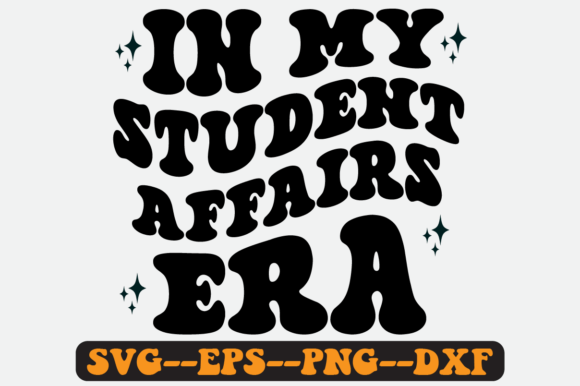
In My Student Affairs Era Retro Svg Review
I have spent years evaluating digital assets for real-world embroidery production, and I rarely get excited about a file until I see how it translates from a screen to the needle. When In My Student Affairs Era Retro Svg landed on my desk, I immediately thought of the specific niche it targets: the nostalgic, slightly chaotic energy of university life. It is not just another generic graphic; it feels like a design born from a late-night study session in the student union. As a designer who cares deeply about stitch integrity and final product quality, I put this file through its paces to see if it holds up under the pressure of actual machine embroidery.
The first impression of In My Student Affairs Era Retro Svg is undeniably groovy. The layout suggests a vintage aesthetic that resonates well with current trends in handmade apparel. For an embroidery designer, the initial visual assessment is crucial. Does the composition feel balanced? Is there enough negative space to allow the fabric texture to breathe? This design captures a mood that is both playful and professional enough for boutique branding. It screams "retro" without being tacky, making it a strong candidate for custom apparel projects where personality matters more than corporate sterility.
To test the practical application, I imagined a real-life scenario involving a small business owner preparing a line of personalized gifts for a local college's alumni association. The goal was to create embroidered patches for a limited edition tote bag design or perhaps a sweatshirt embroidery project for a faculty member. In this context, In My Student Affairs Era Retro Svg offers a distinct advantage. The retro theme aligns perfectly with the target demographic, likely increasing buyer engagement and perceived value. A customer buying a handmade product often looks for a story, and this design provides an instant narrative connection to their own past.
Real-World Stitching Performance
When we move from the digital mockup to the hoop, things can change drastically. I evaluated how this embroidery file would perform on various substrates commonly used in craft businesses. On a heavy cotton hoodie, the design would likely shine. The density required for the fill stitches in a retro style usually works best on stable, medium-to-heavy weight fabrics. However, the reviewer must be cautious with textured fabrics or thin materials. If you attempt to stitch this on a sheer polyester blend or a loosely woven linen, the tension might pull the design out of shape, ruining the finished product.
The design features elements that require careful consideration regarding stitch density. For instance, if the lettering in In My Student Affairs Era Retro Svg includes fine serifs or intricate curves, these areas need a running stitch or a very light satin stitch to avoid puckering. Dense stitch areas can sometimes look muddy if the thread colors are too similar to the fabric. I recommend testing thread colors against your specific fabric swatches before committing to a bulk order. The contrast between the thread and the background is what makes the design pop, especially on dark fabric where white or neon threads are essential.
I also considered the versatility of this graphics asset. While primarily intended as a machine embroidery design, its vector nature allows it to serve as a printable mockup for digital listings. An Etsy seller could use the original SVG to create high-quality previews for customers who prefer sublimation over embroidery. This dual utility is rare and valuable for creative entrepreneurs who want to streamline their workflow. You can present the same design concept across different product categories, from mugs to wall art, ensuring brand consistency throughout your shop.
Navigating Technical Challenges
No design is without its pitfalls, and In My Student Affairs Era Retro Svg has specific areas where an embroiderer needs to exercise judgment. Small hoop sizes present a significant challenge. If you are creating a tiny patch for a cap or a decorative accent on a baby onesie, the details within the design might become illegible once stitched. Tiny lettering often gets lost in the stitching process, turning into a blob of thread rather than readable text. I advise scaling the design down only after confirming that the smallest strokes remain clear.
Curved surfaces, such as baseball caps or rounded drinkware, add another layer of complexity. The distortion inherent in stitching onto a curved form can stretch the retro typography, potentially altering the intended groovy vibe. For these applications, a stabilizer is non-negotiable. Using the proper stabilizer ensures that the fabric remains taut during the stitching process, preserving the integrity of the design. Without it, even the most beautiful design assets can end up looking sloppy and unprofessional.
Another critical factor is the washability of the finished item. Products that will undergo frequent washing, like kitchen towels or aprons, require robust stitching techniques. If the design relies heavily on long, loose stitches, it may snag or fray over time. For commercial embroidery projects intended for daily use, I suggest reinforcing the edges and checking the stitch count to ensure durability. A customer trusting your handmade product expects it to last, and the longevity of the embroidery directly impacts their trust in your brand.
Design Judgment and Business Value
From a business perspective, In My Student Affairs Era Retro Svg adds tangible value to a small shop product line. It appeals to a wide audience, including hobbyists, students, and nostalgia-driven adults. The retro theme is timeless, meaning the design will not feel dated in six months. This longevity is essential for inventory planning and seasonal collections. Whether you are producing holiday embroidery gifts or wedding favors, the design fits seamlessly into various occasions.
However, success depends on execution. Before launching a commercial collection, I strongly recommend testing the design on scrap fabric first. This step reveals potential issues with thread breaks, tension problems, or color clashes that are invisible on a computer screen. Review stitch density and confirm hoop size requirements to avoid wasting expensive materials. Inspect small details closely; if a curve looks jagged in the software, it will look worse in thread.
It is also vital to check whether the design works for both personal and commercial projects. Many digital products come with licensing restrictions that limit how you can sell items created with them. Confirming these terms before selling finished items or digital products protects your reputation and legal standing. If the license allows for commercial use, you can confidently list the item on platforms like Etsy, knowing you have the rights to profit from your labor.
Ultimately, the decision to use In My Student Affairs Era Retro Svg comes down to whether it meets the standards of your specific craft business. It excels as a statement piece for custom apparel and personalized gifts. Its visual appeal is strong, and its retro personality is engaging. Yet, it demands respect for the technical constraints of embroidery. By understanding the limitations of fabric texture, hoop size, and stitch density, you can transform this digital file into a high-quality, market-ready product. For designers willing to do the prep work, this design offers a solid foundation for building a cohesive and profitable handmade collection.
In conclusion, In My Student Affairs Era Retro Svg is more than just a download; it is a tool for storytelling. When executed with care, it elevates a simple tote bag or sweatshirt into a memorable keepsake. The key lies in balancing the artistic vision with the technical realities of machine embroidery. If you approach the project with a focus on stability, contrast, and detail inspection, the result will be a professional-grade finished product that stands out in any craft fair or online marketplace.