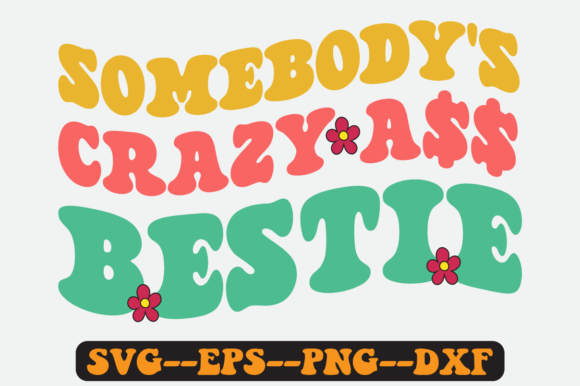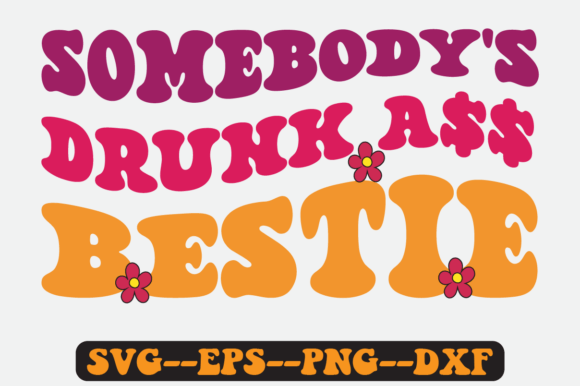
Somebody s High Bestie Groovy Retro Svg Review
I have spent years reviewing digital assets for the embroidery industry, and I have learned that the most successful projects often come from designs that balance nostalgia with technical feasibility. Recently, I encountered Somebody s High Bestie Groovy Retro Svg, a file listed under Crafts and Graphics that promises a printable PNG sublimation design alongside a groovy retro SVG format. While the product description suggests it can be printed on anything from T-shirts to mugs, my primary focus as a designer is always on how this translates into a physical machine embroidery design. Can this graphic survive the tension of a hoop? Will the details hold up after dozens of washes? Here is my practical assessment of using Somebody s High Bestie Groovy Retro Svg in real-world commercial and personal applications.
The First Impression: Mood and Visual Personality
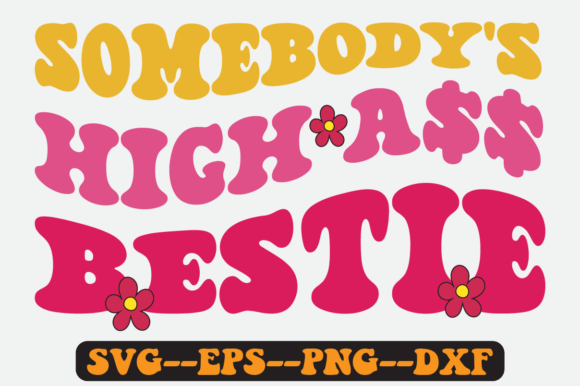
When you first load Somebody s High Bestie Groovy Retro Svg into your digitizing software, the immediate feeling is one of playful camaraderie. The "groovy retro" aesthetic taps into a specific mid-century vibe that has remained popular for decades, making it an instant conversation starter. The layout appears designed to fit comfortably on standard apparel placements, likely sitting well on the chest of a sweatshirt or centered on the back of a tee. The typography feels bold and inviting, suggesting a design meant for friendship groups, bachelorette parties, or close-knit teams.
However, the transition from a vector graphic to a stitched piece requires careful scrutiny. The visual personality is strong, but the success of the final embroidery project depends entirely on how the curves and angles are rendered when converted to stitches. A design that looks crisp on a screen can sometimes lose its definition when the thread density increases. In this case, the retro theme implies rounded shapes and perhaps some decorative flourishes that need to be handled with precision to avoid a cluttered look.
Real-World Application: The Boutique Sweatshirt Scenario
To truly understand the utility of Somebody s High Bestie Groovy Retro Svg, let us imagine a specific scenario. You are preparing a custom order for a small boutique client who wants a matching set of hoodies for a group of best friends attending a weekend getaway. They want something unique that screams "fun" but still looks professional enough to justify a higher price point.
In this context, Somebody s High Bestie Groovy Retro Svg becomes more than just a clipart; it transforms into a core branding element for the event. If executed correctly, the design elevates the perceived value of the handmade product. Imagine the texture of the chenille-like feel of a satin stitch outline against the soft fleece of a hoodie. The contrast between the retro colors and the fabric creates a tactile experience that a print-on-demand service simply cannot match. Customers at craft fairs or Etsy shops love items that show clear evidence of human craftsmanship. A well-stitched version of this design signals quality and attention to detail, fostering trust with the buyer.
Furthermore, the versatility of the file allows for creative variations. You could use the main text for a large chest placement while utilizing smaller graphical elements for a pocket patch or even a wrist cuff. This approach turns a single digital asset into a comprehensive collection of design assets for a cohesive line of merchandise.
Technical Challenges and Where to Exercise Caution
Despite the promising aesthetic, there are areas where Somebody s High Bestie Groovy Retro Svg requires strict adherence to best practices. Not every surface is created equal, and assuming a design will work everywhere is a recipe for frustration. For instance, if you attempt to embroider this on a textured fabric like a heavy canvas tote bag without proper stabilizer, the tension might cause the design to pucker, distorting the retro curves.
Thin fabrics and stretchy materials, such as tank tops or thin cotton tees, present another hurdle. The density required to make the text legible could weigh down the fabric, causing it to sag over time. Similarly, curved surfaces like baseball caps demand a specialized digitizing approach. If the original file does not account for the curvature of the cap, the text may appear distorted or difficult to read once stitched. It is crucial to check whether the design includes appropriate underlay stitches to prevent the fabric from showing through the dense areas.
Small lettering and intricate corners are particularly vulnerable. In a rush to capture the "groovy" vibe, designers sometimes create details that are too fine for standard machine needles. If the stitch density is too high in tight spaces, the threads will crowd each other, creating a muddy appearance rather than a sharp image. Additionally, products that require frequent washing, such as kitchen towels or baby onesies, need robust construction. If the design relies heavily on long running stitches that are not properly secured, they may snag or unravel during laundering.
Practical Notes for the Embroidery Designer
- Test on Scrap Fabric: Before committing to a full production run, always stitch a sample on scrap material that matches your final fabric type. This helps you gauge thread tension and stabilizer needs.
- Check Thread Color Contrast: Ensure the chosen thread colors provide enough contrast against the garment. A dark background might swallow lighter retro tones unless you use a bright underlay or a contrasting top thread.
- Review Stitch Density: Inspect the density settings in your software. If the design feels too heavy, consider reducing the fill density or simplifying the details to improve durability.
- Hoop Size Matters: Confirm that the hoop size accommodates the entire design without cutting off edges. Large designs may require multiple hooping positions, which can lead to alignment issues.
- Stabilizer Selection: Use the correct stabilizer for the fabric weight. Heavy cut-away stabilizers are often necessary for knitwear to maintain shape, while tear-away may suffice for stable wovens.
- Licensing Verification: Always confirm the licensing terms before selling finished items. Some digital files allow personal use only, while others permit commercial sales of embroidered goods.
Impact on Brand Consistency and Customer Engagement
When used effectively, Somebody s High Bestie Groovy Retro Svg contributes significantly to brand consistency. For an Etsy seller or a small shop owner, having a signature style helps customers recognize your work instantly. The retro theme offers a distinct visual identity that stands out in a crowded marketplace filled with generic floral patterns or modern minimalism.
Moreover, the emotional connection inherent in a "Bestie" design enhances giftability. Personalized gifts are a cornerstone of the craft business, and this design naturally invites customization with names or dates. When a customer sees a beautifully embroidered message on a high-quality item, their engagement with the brand deepens. They are not just buying a shirt; they are buying a memory. This perception drives repeat purchases and word-of-mouth referrals, which are vital for any commercial embroidery venture.
However, the key lies in execution. A sloppy stitch job can undermine the retro charm and make the product look cheap. Conversely, a precise application highlights the skill involved in the creation process. By treating Somebody s High Bestie Groovy Retro Svg with the respect it deserves—checking file formats, adjusting for fabric texture, and ensuring proper finishing—you transform a simple digital download into a premium finished product.
Final Thoughts on Practical Value
In conclusion, Somebody s High Bestie Groovy Retro Svg holds significant potential for creators looking to expand their offerings in apparel, home decor, and accessories. Its groovy aesthetic fits perfectly into current trends while offering a timeless appeal that resonates with buyers of all ages. Whether you are designing a holiday gift, a wedding party favor, or a line of boutique merchandise, this design provides a solid foundation for creativity.
Success, however, relies on the designer's ability to adapt the digital file to the physical constraints of embroidery. By prioritizing technical checks, selecting the right materials, and understanding the limitations of different fabrics, you can ensure that the final result is as charming as the original graphic. For those willing to put in the preparation work, this design is a valuable addition to any digital embroidery file library, ready to bring joy and style to countless handmade projects.