Who Needs Referees when We Have Football
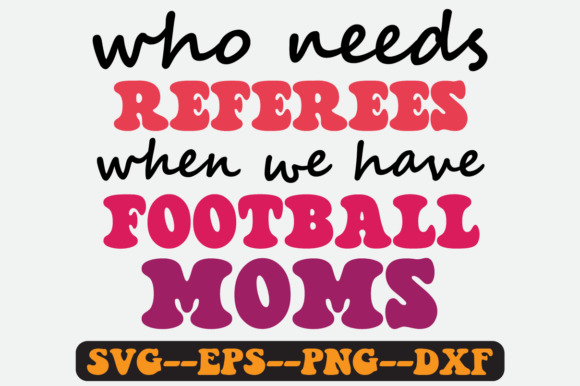
When I first opened the file for Who Needs Referees when We Have Football, my initial reaction wasn't just about the slogan itself, but the vibe it immediately projects. As a designer who spends hours evaluating files for real-world application, I look past the text to see how the layout, the "groovy retro" aesthetic, and the overall composition will hold up under the needle. This design feels like it belongs in a bustling craft fair booth or a boutique that specializes in vintage-inspired sportswear. It has that specific energy of a summer picnic or a backyard game where the rules are flexible, but the fun is mandatory.
The prompt describes this as a printable PNG and groovy retro SVG, which tells me we are dealing with a digital asset intended for various outputs, including sublimation and likely digitized for embroidery. For those of us looking to create handmade products, the transition from a flat graphic to a stitched texture is where the magic happens—or where things go wrong. Let's break down how this design performs when we move it from the screen to the fabric.
The First Stitch: Visual Personality and Mood
The phrase Who Needs Referees when We Have Football carries a playful, rebellious tone that translates well into textile art. In the context of a machine embroidery design, the retro style suggests a need for bold lines and perhaps a slightly distressed look if you want to lean into that vintage feel. When I imagine this on a garment, I see it working best as a statement piece. The visual personality is loud and cheerful, making it an excellent candidate for custom apparel like hoodies, sweatshirts, or tank tops where the wearer wants to express a laid-back attitude.
However, the "groovy" aspect requires careful consideration during the digitizing process. Retro designs often rely on specific curves and shapes that can get lost if the stitch density is too high. If the file is dense with fill stitches, the fabric might pucker, ruining the smooth flow of the retro lettering. Conversely, if the design relies too heavily on thin running stitches, the text might become illegible after washing. The key here is balancing the artistic intent with the technical limitations of the machine.
Real-World Application: From Tote Bags to Nursery Decor
I recently had a scenario where a client wanted to create a line of gifts for a local youth soccer league tournament. They were looking for something unique that didn't scream "official merchandise." That was when I pulled up Who Needs Referees when We Have Football as a concept for embroidered patches and aprons. The design naturally fits into a narrative of community and fun rather than strict competition.
In this case, I envisioned using the design on heavy-duty canvas tote bags. The sturdy fabric would support the weight of the embroidery without distorting the shape. Alternatively, for a softer touch, applying this to a baby onesie or a nursery pillow cover could be charming. The message is lighthearted enough for a child's room but cool enough for an adult's kitchen towel. Imagine a set of matching kitchen towels for a family gathering; the design adds a layer of humor that guests would appreciate.
For Etsy sellers and small shop owners, this design offers versatility. You aren't limited to just clothing. Think about drink mugs, wall art prints, or even decorative pillows. The ability to use this as a printable mockup before committing to production is crucial. It allows you to visualize how the colors interact with different backgrounds. A bright yellow background might make the retro elements pop, while a dark navy could give it a more sophisticated, muted look depending on your thread choice.
Technical Challenges and Where to Be Careful
While the concept is strong, not every surface is created equal. There are specific situations where Who Needs Referees when We Have Football might struggle. Small hoop sizes are a major constraint. If you try to stitch this onto a baseball cap or a narrow sleeve cuff, the curved surface combined with the limited space could cause the text to wrap awkwardly or lose its legibility. The corners of the letters in a retro font often have intricate details that can get mushy in tight spaces.
Fabric texture also plays a huge role. Stretchy fabrics like jersey knits require a stabilizer that provides enough support to prevent distortion. Without proper stabilization, the tension of the satin stitch pulling the fabric inward could turn a straight line into a wavy mess. Similarly, thin fabrics like sheer polyester or delicate linens might not hold the structure of a dense design well. In these cases, you might need to adjust the stitch density or reduce the size of the design to ensure it looks professional.
Dark fabrics present another challenge. If the original file is designed with light-colored outlines or details, they may disappear against a black or navy background. You will need to carefully select your thread colors to ensure contrast. Sometimes, adding a contrasting outline or changing the base color of the design is necessary to maintain visibility. Always test the design on a scrap piece of the actual fabric you intend to use before stitching the final product.
Impact on Product Value and Brand Consistency
Using a well-executed design like this elevates the perceived value of your finished product. Customers can tell the difference between a mass-produced item and a thoughtfully crafted piece. When embroidery project details are crisp and the placement is deliberate, it builds trust. A buyer is more likely to purchase a handmade product that looks polished because it signals care and attention to detail.
For commercial embroidery projects, consistency is king. If you plan to sell multiple items featuring Who Needs Referees when We Have Football, ensuring that the sizing and thread colors remain consistent across all products is vital for brand identity. Whether it's a batch of t-shirts for a team or a collection of personalized gifts, the design should feel cohesive. This design works particularly well for holiday gifts or wedding favors where a sense of fun and nostalgia is desired.
Practical Designer Notes for Success
Before you start stitching, there are a few non-negotiable steps to take. First, verify the file formats and licensing terms. Since the description mentions PNG and SVG, you need to confirm if the file is ready for direct embroidery or if it requires digitization. If you are planning to sell finished items made from this design, check the commercial license to ensure you are compliant.
Conduct a thorough test run. Use a scrap piece of your chosen fabric and apply the appropriate stabilizer. Check the hoop size to ensure the design fits comfortably without cutting off any elements. Inspect the small details, especially the curves in the retro font, to see if they stitch out cleanly. Compare the result on both light and dark fabric mockups to gauge the contrast. Finally, review the fill stitch areas to ensure they lay flat and don't create unwanted bulk.
If you are creating an embroidered patch, pay extra attention to the edge finish. A clean merrowed edge or a laser-cut finish can make a significant difference in the final look. For digital embroidery files used in print-on-demand services, ensure the resolution is high enough to capture the nuances of the retro style.
In conclusion, Who Needs Referees when We Have Football is a versatile and engaging design that fits perfectly into the crafts and graphics categories for makers who value personality. It bridges the gap between nostalgic aesthetics and modern humor. By approaching the digitization and execution with a critical eye toward fabric, stability, and thread choice, you can transform this digital asset into a stunning finished product that stands out in any market. Whether you are decorating a sweatshirt, a tote bag, or a kitchen towel, this design promises to bring a smile to anyone who sees it.